Innovations in cancer care should reach people irrespective of geographical boundaries: CM Devendra Fadnavis
.jpeg)
.jpeg)
.jpeg)
.jpeg)
.jpeg)
.jpeg)
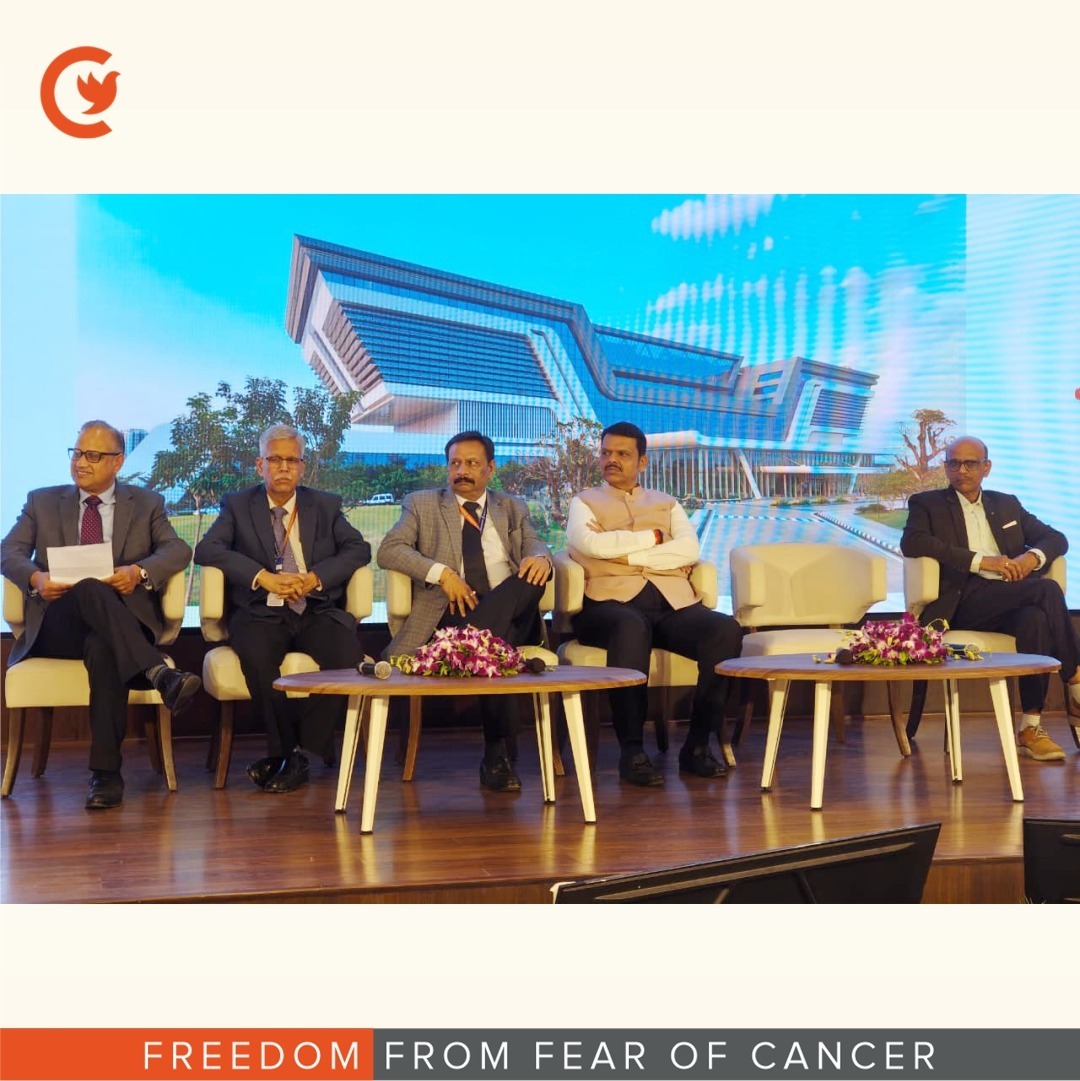
Chief Minister Devendra Fadnavis has said that the innovations that happen in any corner of the world should reach each and every country to bolster the fight against a rising menace of cancer. Advocating the need of reducing the cost of cancer care worldwide, he welcomed brainstorming between the doctors and researchers and encouraged the use of Medtech, Biotech and Artificial Intelligence to formulate affordable and efficient detection/treatment protocols.
CM Fadnavis said this on Saturday after inaugurating a global conference “Oncology Beyond Borders”, now being hosted by the National Cancer Institute, Nagpur at its Jamtha campus. NCI President, Adv Sunil Manohar, General Secretary and CEO, Shailesh Joglekar, Treasurer, Anand Aurangabadkar, Medical Director, Dr Anand Pathak, and Global Operations and Strategy Director Shashi Mandapaty graced the occasion.
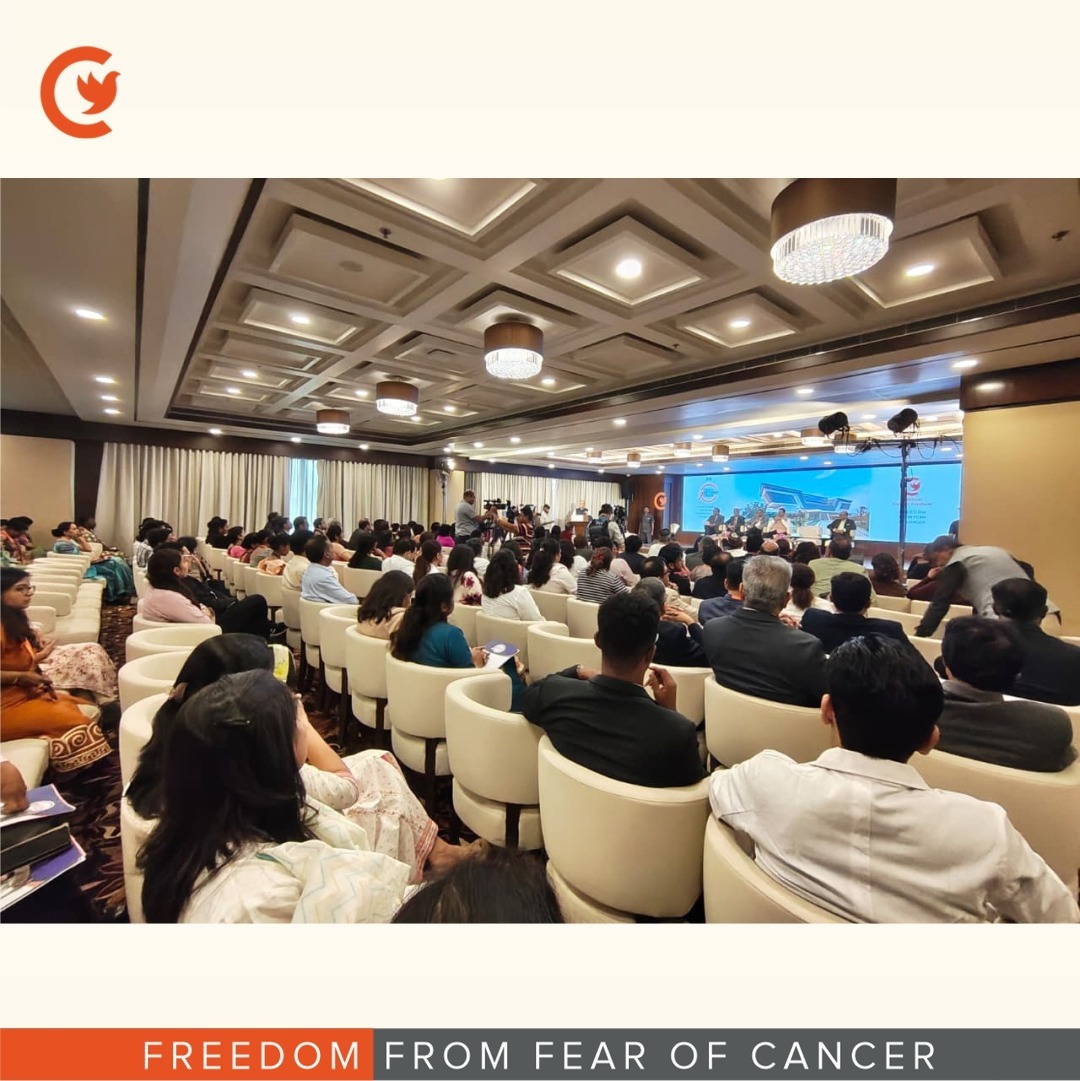
This international conference has brought together about 50 eminent oncologists, researchers, policymakers, and healthcare leaders from several countries to deliberate on collaborative approaches, innovations, and future directions in cancer care beyond geographical boundaries.
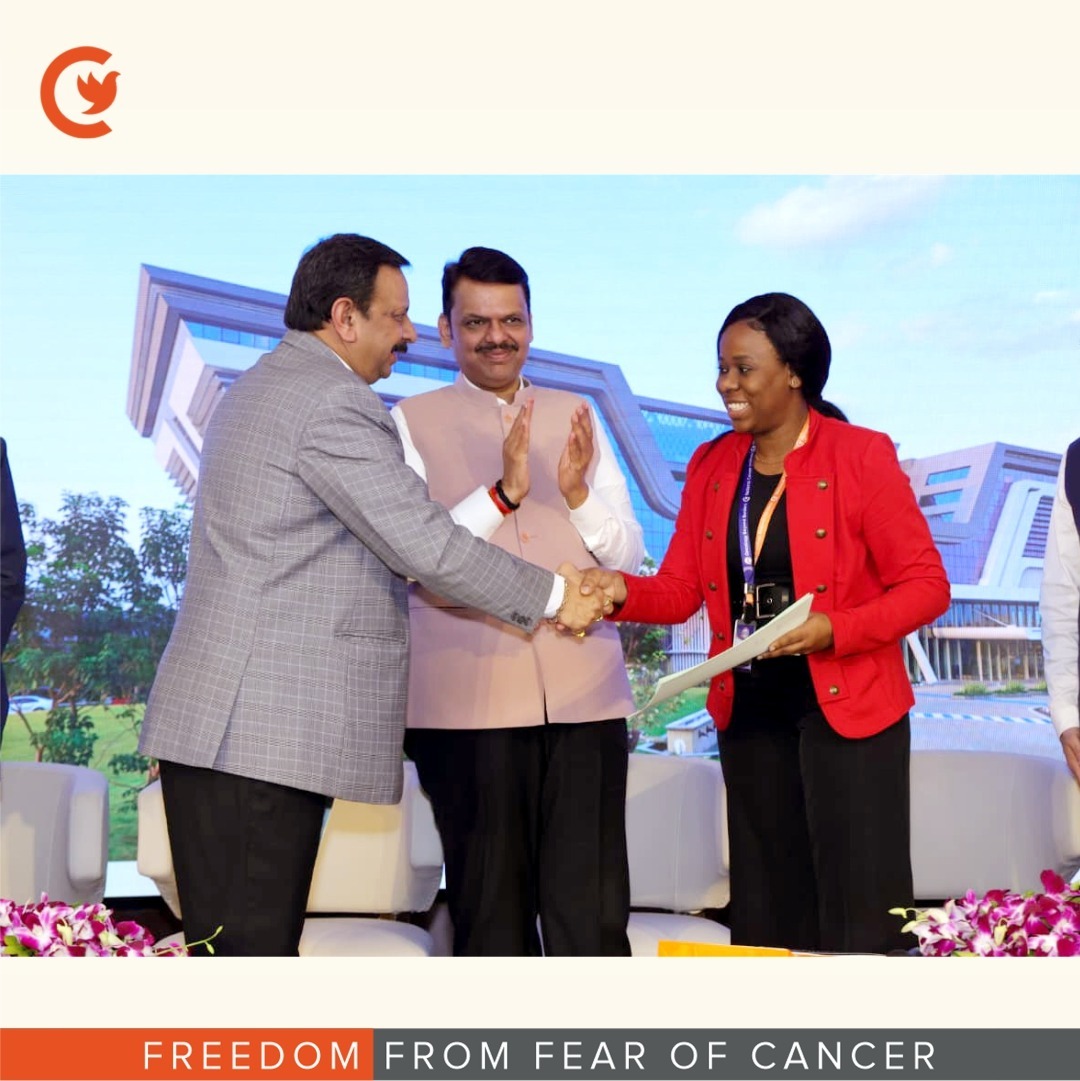
At the function, NCI exchanged a memorandum of understanding with the Government of Guyana for a long term partnership for research collaboration and affordable cancer care for all. NCI’s academic/research publication ‘Wings’ was released by the guests.
“The theme of the conference speaks for itself. When it comes to any disease or health challenge or any disorder, it doesn’t understand any boundary. It doesn’t recognise the status of a person and the geography where they stay. And, that is why today’s connected yet fractured world, it is our responsibility that we come together, share the ideas and think beyond. This conference is something where we will be thinking beyond,” said Fadnavis.
“All of you know that in the last decade the incidence of cancer is rising at inimaginable speed. Unfortunately, a country like India which has done well in eradicating certain diseases, infectious diseases, is now fighting cancer. And cancer as of now has become the biggest challenge before the healthcare system of India. This is not just happening in India but happening globally,” he added.
He further said that the United Nation’s latest statistics said that the incidence of cancer may increase by 75% in the next 15 to 20 years worldwide. “The situation looks very scary. If I look at my state of Maharashtra, the incidence of cancer has increased by more than 11%. That is very alarming. So, it is time, when we not just fight the disease but also try to prevent it,” he said.
According to him, for a huge population, it is very important that we have the ability and instruments to screen every suspected case to have SoPs where we generate a suspected case, but also ability to treat cancer early. “Because early treatment is the key. That is why I think an institute like NCI has been created. NCI is not only helping patients from central India, but now patients from different countries are also coming here. The Bone Marrow Transplants are being performed; new technologies are being brought here, experimented and extended to the patients. But we require many more,” the CM suggested.
Talking about his own government’s efforts to fight cancer in Maharashtra, he said the government has created Maha Cancer Care Foundation, which is a company of the government which is creating an entire cancer grid in hub and spoke model whereby every person of the state will have access to cancer care. “All of us know that one of the biggest challenges is affordability. It is seen that the marginalised sections of the society are the most affected. They often lose all their fortunes fighting the disease. It is one disease in which not just the patient but the entire family suffers. Affordability is something that we need to bring through our new treatment protocol,” Fadnavis said.
The CM said that the Government of India, under the able leadership of PM Narendra Modi has been constantly reducing taxes on imported cancer drugs, on radiation machines and machinery to bring down the cost of cancer care to make it affordable. “We are in an era of technology. Today Medtech, Biotech and AI are revolutionizing the field of healthcare. It is bringing predictability, affordability and efficiency in the healthcare scenario. In the space of cancer care we require more innovation, Medtech, Biotech and AI to detect cancers early so that we fight it at the very beginning,” he said.
Fadnavis said that with research conducted at NCI and other institutes like Tata Cancer Hospital, we will be able to find new solutions for making treatment affordable. "Start-ups are creating AI models whereby we can formulate initial protocols. All these innovations need to go beyond borders. World over whatever happens in the space of cancer care should reach each and every country because I think humanity knows no borders. And to be humane is to not let anyone suffer irrespective of borders. I think this conference will deliberate over the best practices happening around the world," he said.
Mentioning an MoU between the NCI and Guyana Government, he said such alliances are forged between two institutions to help patients get best healthcare. “This is the way forward to collaborate and fight cancer together,” he added.
Earlier, Adv Manohar articulated the idea of going beyond borders, not just geographically or physically but also conceptually. He said an MoU between NCI and Health Ministry of Guyana proved that the geographical borders were being widely extended. “We already have some contracts. There are more to come.” He said the NCI has set up a research wing that will take innovations beyond borders. He said an act of domain expert like Dr Anand Pathak who has been devoting most of his time at NCI at the cost of a huge sacrifice professionally was like going beyond borders. He specifically mentioned Fadnavis and Joglekar's life stories that ultimately led them to build a cancer care entity like NCI.
Karishma Tiwari conducted the function and proposed a vote of thanks.
- International Diplomats and Media Leaders Visit National Cancer Institute, Nagpur September 12, 2026
- NCI is a temple that serves people day & night: Shri Vishwas Nangre Patil August 29, 2026
- Central Railway DRM In Awe Of NCI May 05, 2026
- National Cancer Institute, Nagpur, Becomes The First Hospital In Central India to get NABH Full Accreditation Under 6th Edition April 18, 2026
- NCI Is Inspiring, Says Rohit RR Patil April 08, 2026
- Maharashtra Has Strong Potential To Lead In Nursing: Dr. Deepa Chug April 04, 2026
- Essar Chief Marvels At NCI April 04, 2026
- Where Living Gods Serve Humanity: Dr. Vijay Darda April 01, 2026
- Harnessing the Sun: NCI Nagpur's Step Towards a Greener Tomorrow March 25, 2026
- Experts Talk On 'Prioritising Women’s Health' March 14, 2026
- National Cancer Institute (NCI) Is The Best Cancer Hospital Of Its Kind In India: Mr Noel Tata March 07, 2026
- Festival Of Colours Celebrated With Brave Paediatric Patients March 01, 2026
- Top Healthcare Award For Shailesh Joglekar, NCI’s General Secretary & CEO February 26, 2026
- NCI’s Free Cancer Screening in Rural Nagpur, 62 Villagers Screened February 20, 2026
- Oncology Beyond Borders, An International Conference Hosted By National Cancer Institute, Nagpur February 14, 2026
- NCI And Tata Trusts Ink an MoU February 12, 2026
- Diplomats All Praise For NCI February 06, 2026
- Cancer Warrior Wins The Battle February 04, 2026
- Superstar Prashant Damle Visits NCI February 02, 2026
- NCI Celebrates Republic Day January 26, 2026
- In The Picturesque Surroundings Of NCI, Pediatric Patients, Their Parents, NCI Doctors And Staff Wholeheartedly Enjoyed A Kite-Flying Celebration To Mark The Traditional Festival Of Makar Sankranti January 17, 2026
- Chief Minister of Madhya Pradesh, Dr Mohan Yadav, visits National Cancer Institute, Nagpur January 12, 2026
- Patel Praises NCI January 10, 2026
- NCI Has Potential To Evolve Into A National Model For Cancer Care, Says Union Minister Pradhan January 03, 2026
- Mr. Yaniv Revach, Consul General Of Israel To Midwest India, Visited The National Cancer Institute (NCI) December 29, 2025
- Guyana Government Explores Collaboration With NCI December 22, 2025
- NCI Is World Class Says Emaar Chief December 10, 2025
- Harbinger Of Hope At NCI November 29, 2025
- Key insights on breast cancer awareness November 18, 2025
- The Founder & Chairman of Panchshil Realty—India’s Finest Luxury Real Estate Group—Shri Atul Chordia Visited The National Cancer Institute (NCI) November 15, 2025
- India’s High Commissioner To Guyana, Dr Telang Promises To Expand NCI’s Global Outreach October 31, 2025
- GMR Group DMD Subbarao & Team visit NCI October 03, 2025
- Mike Watson, Hudson Fellow, Appreciates NCI October 04, 2025
- NCI, A Shining Example of Cancer Care: Foreign Dignitaries October 01, 2025
- Dignitaries from the #USA visit #ncinagpur #cancertreatment #cancerawareness October 04, 2025
- Congratulations, Dr Anand Pathak Sir for ‘Lifetime Achievement Award in Medical Oncology’ October 06, 2025
- #NCI & IIT Bombay collaborate on technology to treat cancer. Prof Milind Atrey talks about it September 24, 2025
- UCN PODCAST | Special Guest: Shailesh Joglekar September 20, 2025
- DCM Ajit Pawar Lauds NCI’s Infrastructure & Health Care Services September 19, 2025
- World-Known Physicist Dr. Sharma Says NCI Is A World Class Facility September 17, 2025
- Thanks Manav Seva Samiti, Yavatmal September 12, 2025
- Lion Dr Shah From Nairobi Pledges Support To NCI August 02, 2025
- Air Chief Marshal Chaudhari Appreciates NCI July 25, 2025
- Radiotheranostics Facility Is Available At National Cancer Institute June 20, 2025
- Union Home Minister, Shri Amit Shah performs bhoomi pujan of Swasti Niwas May 26, 2025
- Yet another step forward towards Maharashtra - Mauritius bond! August 19, 2024
- National Cancer Institute is celebrating ‘Foundation Month’. As part of this celebration, Umbrella Painting Workshop August 14, 2023
- International Nurses Day celebrated at National Cancer Institute May 13, 2020
- National Cancer Institute celebrates one year of "Ayushmati" - An Initiative for Women's Freedom from Fear of Cancer March 05, 2020
- An Unique Event of Small Field Dosimetry for Cancer Care Organized by Department of Radiation Oncology Medical Physics, National Cancer Institute Nagpur March 30, 2019
- Lymphomas Masterclass held at National Cancer Institute December 08, 2019
- Mr. Azim Premji’s visit at the National Cancer Institute October 05, 2019
- 7th Foundation Day Celebration and Inauguration of Newly Built In-Patient Facility at NCI August 17, 2019
- Rakhi Celebration At NCI August 15, 2019
- Holi Celebration March 21, 2019
- Ayushmati Launch Event March 08, 2019
- Pediatric Patients visits INDvsAUS Cricket match at Jamtha Stadium March 05, 2019
- Atal Arogya Shibir 2018 October 28, 2018
- PBDON Inauguration Ceremony October 15, 2018
- NCI,Nagpur & MUHS,Nashik sign MoU for academic collaboration August 07, 2018
- Rakshabandhan @NCI August 27, 2018
- Tata Trusts and National Cancer Institute (NCI) partner to strengthen cancer care in Vidarbha. July 14, 2018
- 12th State Level award for Excellence in Energy Conservation And Management April 28, 2018
- Cancer Awareness & Screening Camp in Association With Halba Koshti Samaj March 14, 2018
- NCI STARTS SURGICAL ONCOLOGY FACILITY in the heart of City for easy access to needy cancer patients February 25, 2018
- FACILITY TOUR FOR BLOOD BANK JANAKALYAN CHAIN, NAGPUR January 27, 2018
- Maharashtra Adhyayan Mandir High(Gandhi Nagar) School, Nagpur January 11, 2018
- NCI Initiative: Cancer Awareness Camp at Mukki, Kanha, Madhya Pradesh, India December 16, 2017
- NCI Initiative: Cancer Awareness Camp at Manjitola, Kanha, Madhya Pradesh, India December 09, 2017
- Cancer Awareness & Screening Camp at Bhivapur December 04, 2017
- Cancer Awareness & Screening Camp at Ram Nagar, Nagpur November 20, 2017
- Cancer Awareness & Screening Camp in association with Nagpur Municipal Corporation (NMC), Nagpur November 25, 2017
- CME at 57th Annual Conference - “MASTACON” December 01, 2017
- Breast Cancer Awareness Camp at Nagpur Airport in association with GE & Indigo Airlines November 07, 2017
- DDHS FACILITY TOUR AT NCI, NAGPUR November 05, 2017